RFG / Vol. 01Enroll — $19.99

Issue N°1

The Raw
Field Guide
to a body that
actually works.

An honest course on the five things schools forgot to teach you — hormones, sleep, diet, gym and nutrition. No supplements to sell. No bro-science. Just what's true.
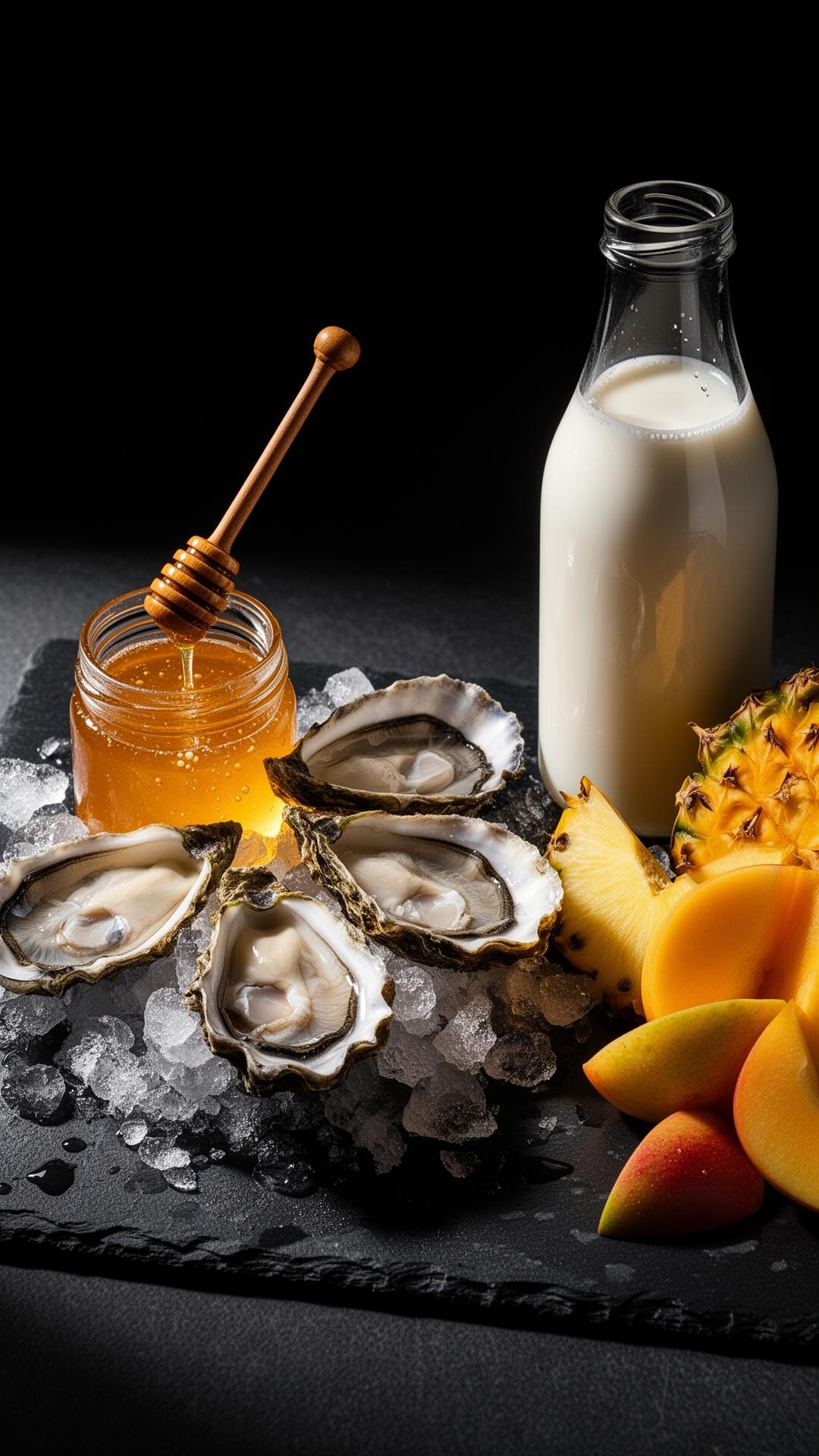
Raw oysters, golden honey, ripe fruit and raw milk in dramatic editorial lighting

Cover · Raw Fuel

"Real food. Real hormones. Real results."

HormonesSleepDietGymNutritionRecoveryFocusConfidenceHormonesSleepDietGymNutritionRecoveryFocusConfidenceHormonesSleepDietGymNutritionRecoveryFocusConfidence

From the editor

"I built this because the internet is loud and your inbox is louder. You don't need another shake. You need a few things that are actually true, written for people your age — not for influencers selling courses."

— Jason Dammeyer, Author

The Raw Field Guide · 5 Chapters · $19.99

Inside the guide.

No lessons to grind through. Just the words, ideas, and topics I've spent years studying — laid out so you can see them at a glance and dig into the ones that matter to you.

Glass bottle of raw milk with brown eggs and butter
Raw honey dripping from a wooden dipper with oranges and figs at sunset

Sources & Philosophy

Who I read.
Why it matters.

A lot of mainstream nutrition advice is downstream of 1970s propaganda and food-industry marketing. Eggs were demonized to sell cereal. Butter was demonized to sell margarine. Raw milk was criminalized to protect industrial dairy.

This course leans on independent researchers — people who looked at the actual biology instead of repeating the food pyramid. You're free to disagree. You're not free to skip reading them.

01

Ray Peat, PhD

Biologist · Metabolic researcher

Showed that sugar (fruit, honey, milk, OJ) supports the thyroid and lowers stress hormones. Processed seed oils and chronic stress — not natural sugar — are what wreck metabolism.

Aajonus Vonderplanitz portrait

02

Aajonus Vonderplanitz

Author · Primal Diet

Argued that raw milk, raw eggs and wild fish carry living enzymes and intact nutrients that pasteurization and high heat destroy. Used by many to recover from chronic illness.

03

Weston A. Price

Dentist · Nutritional anthropologist

Traveled the world and documented that traditional cultures eating whole, unprocessed animal foods had near-zero cavities, straight teeth and strong jaws.

The Foods, Defended

Demonized.
Actually good.

Wild fish, eggs and milk only.

Wild-caught fish

Real omega-3s (EPA/DHA), iodine and selenium for thyroid + brain. Farmed fish is fed grain and seed oil — different food entirely.

Raw eggs

Cold yolks keep choline, B-vitamins and intact fats. From a clean source, salmonella risk is tiny — pasteurization is for industrial-scale eggs, not backyard ones.

Raw milk

Lactase, phosphatase and beneficial bacteria survive. Many people who can't digest store milk handle raw milk fine. Source matters — grass-fed, tested herd only.

Natural sugar

Fruit, honey, maple, milk sugar. Comes packaged with minerals and slows digestion. The villain is high-fructose corn syrup and ultra-processed snacks, not an orange.

Raw liver, egg yolks and butter

Seasonal Strategy

Bulk in
summer.

Aajonus Vonderplanitz taught a counterintuitive rhythm: use the warm months to eat dense, building foods — red meat, raw fats, and clean animal calories — so the body stores resilient tissue before winter.

The extra mass isn't vanity. It's fuel. When cold arrives, that stored fat becomes insulation and sustained energy. You're not "bulking then cutting." You're preparing the way every warm-blooded animal does — building reserves when food is abundant, burning them when it isn't.

01

Red meat

Beef, lamb, bison — grass-fed when possible. Dense in B12, zinc, creatine, and saturated fats that support hormone production.

02

Raw fats

Raw butter, raw cream, egg yolks. Living lipids the body recognizes and uses for cell membranes and steroid hormone synthesis.

03

Winter payoff

Come cold months, the stored fat feeds steady heat, stable mood, and uninterrupted focus. You're not fighting the thermostat — you're built for it.

Olive oil, tomatoes, olives, feta and sardines on a wooden Mediterranean table

Volume 01 · Plate

Olive oil, wild fish, fermented dairy — refined over centuries.

Dietary Pattern

Mediterranean.
The real deal.

The Mediterranean diet isn't a 30-day plan — it's a set of principles refined over centuries in olive-growing, sea-fishing cultures. It shares DNA with the philosophy in this course: whole food, raw or minimally processed, animal foods from clean sources, and olive oil instead of industrial seed oils.

The studies behind it are some of the largest randomized nutrition trials ever run. The results are consistent, dose-dependent, and independent of calorie counting. This isn't bro-science — it's the best evidence base we have for eating well.

2013 · PREDIMED

7,000 participants over 5 years. Those eating extra-virgin olive oil and nuts had a 30% lower risk of heart attack, stroke, and cardiovascular death than a low-fat control group.

2023 · Harvard / JAMA

Women who followed a Mediterranean diet closely had a 23% lower risk of all-cause mortality. The diet outperformed every low-fat comparator in long-term adherence.

2017 · Rush University

Older adults scoring highest on the Mediterranean diet scale showed brains that were effectively 5.8 years younger on structural MRI. The fatty-fish and olive-oil pattern protected gray-matter volume.

Meta-analysis · 22 trials

Pooled data from over 150,000 people. Consistent improvements in LDL oxidation, inflammatory markers (CRP, IL-6), and fasting insulin. The benefit came from the food pattern, not calorie restriction.

Six Pillars

What it
actually is.

No calorie counting. No food guilt. Just a pattern built on real, recognizable ingredients — most of them raw or gently cooked.

01

Extra-virgin olive oil as the main fat — not seed oils

02

Wild-caught fish 2–3x per week for DHA + iodine

03

Fermented dairy (yogurt, kefir, aged cheese) — living cultures

04

Vegetables and fruit in season — fiber + polyphenols

05

Raw nuts and seeds — magnesium, vitamin E, intact fats

06

Whole grains as a side, not a base — sourdough preferred

The Real Priority

Stop counting
protein.

The fitness industry sold you a lie: that 150g of protein a day is the golden metric. Meanwhile your magnesium tank is empty, your vitamin D is in the basement, and you can't focus through a 45-minute class.

Your body doesn't build muscle from protein alone. It needs magnesium to relax tissue, zinc to synthesize testosterone, retinol to repair skin, and B vitamins to actually turn food into usable energy. Without the micronutrient layer, protein is just expensive calories your body can't fully use.

Ray Peat and Weston Price both emphasized this: traditional diets were nutrient-dense first, protein-adequate second. A small portion of liver delivers more real nutrition than a pound of whey isolate.

01

Magnesium

Muscle, sleep, anxiety

400+ enzymes need it. Most teens are deficient. Found in raw cacao, pumpkin seeds, and mineral water.

02

Vitamin D

Immunity, mood, bone growth

Made from cholesterol + sunlight. Low levels correlate with depression and poor recovery. Not optional.

03

Vitamin A (retinol)

Skin, hormones, vision

The real form is in liver, egg yolks, butter — not beta-carotene in carrots, which many can't convert.

04

Zinc

Testosterone, wound healing, taste

Teen boys especially need it. Oysters are the gold standard; red meat and pumpkin seeds are close behind.

05

B Vitamins

Energy, methylation, focus

B6, B12, folate — not from fortified cereal. From eggs, liver, and raw dairy. Synthetic forms don't cut it.

06

Iodine

Thyroid, metabolism, brain

Without it, T3 can't be made. Wild fish, raw milk, and eggs carry it. Skip the iodized salt crutch.

Glass of fresh green vegetable juice with celery, parsley and cucumber

Daily Protocol

The vegetable
juice.

Aajonus Vonderplanitz built his recovery protocol around one daily habit: raw vegetable juice, never pasteurized, never heated. Not a smoothie — a true juice, fiber removed, so the minerals hit the bloodstream in minutes.

The goal isn't a cleanse. It's mineral replacement. Modern soil is depleted, and most teens are walking around deficient in magnesium, potassium, and trace minerals without knowing it. The juice bypasses a compromised gut and feeds cells directly.

He recommended drinking it alone, on an empty stomach, first thing in the morning. Wait 20–30 minutes before eating. The enzymes are alive, the minerals are unbound, and the body absorbs what it needs without competition from other food.

01

Celery

Natural mineral salts rehydrate cells and restore stomach acid. The sodium cluster salts bind to toxins and flush them without depleting reserves.

02

Parsley

Chlorophyll-rich blood builder. High in vitamin K, iron, and volatile oils that stimulate digestion and kidney filtration.

03

Cilantro

Binds heavy metals and carries them out through urine and stool. Aajonus used it specifically for mercury and aluminum detox.

04

Zucchini

Mild, soothing, and easy on a sensitive gut. Adds silica for skin and connective tissue without the bitterness of hard greens.

05

Summer squash

Soft cell walls break down easily. Provides potassium, manganese, and a neutral base that lets stronger greens do their work.

06

Spinach & kale

Used sparingly. Oxalates can irritate raw, but in small amounts they deliver magnesium, folate, and deep-green chlorophyll.

Fresh raw oysters on ice with lemon wedges

Zinc · B12 · Selenium

More zinc per gram than any food on Earth.

The Ultimate Superfood

Oysters:
Nature's multivitamin.

If you could eat only one food for the rest of your life, oysters would keep you alive the longest. They're not just seafood — they're a complete nutrition package that no synthetic multivitamin can replicate.

Ray Peat called shellfish "the most nutrient-dense animal food available." Weston A. Price documented coastal cultures eating them raw and thriving. For a teenager building a brain, a body, and a hormone system, oysters are the closest thing to a cheat code.

Raw is best. The heat-sensitive B-vitamins and fragile lipids survive intact. If you can't do raw, gently steamed is acceptable. Canned oysters in their own juices still retain most minerals. Avoid deep-fried or heavily breaded — you're eating the coating, not the medicine.

01

Zinc

Oysters contain more zinc per gram than any food on earth. Zinc is the backbone of testosterone synthesis, immune function, wound healing, and the enzyme systems that build every protein in your body.

02

Vitamin B12

A single serving delivers 500%+ of your daily B12 — the energy vitamin. B12 deficiency mimics depression and chronic fatigue. Oysters fix it faster than any supplement.

03

Copper & Iron

These two minerals work as a pair to build red blood cells and collagen. Oysters have them in the exact ratio your body expects, not the synthetic imbalance of multivitamins.

04

Selenium

The thyroid cannot convert T4 to active T3 without selenium. Oysters are one of the best sources. Most teens with sluggish metabolites are selenium-poor, not calorie-poor.

05

Omega-3s (DHA)

Not the plant ALA that most people can't convert. Oysters carry pre-formed DHA — the actual building block of your brain, retina, and cell membranes.

06

Complete protein

All nine essential amino acids in a highly bioavailable form. The protein digestibility of oysters rivals eggs. Your body doesn't waste energy breaking them down.

Bare feet in dewy grass at sunrise

Cortisol · Circadian

10 minutes of morning sun resets the entire day.

Hormone Health

Stress is
chemical.

Everyone tells you to "just relax." Nobody tells you that stress is a hormone — cortisol — and it hijacks every system that matters for a teenager: testosterone production, sleep quality, gut health, and the ability to think clearly.

You don't need a meditation app. You need to understand that cortisol has a chemical address, and you can starve it with sunlight, real food, and rhythm. The benefits of low cortisol are immediate: deeper sleep, sharper focus, stable mood, natural muscle gain, and skin that clears on its own.

What happens if you ignore it

01

Testosterone crash

Cortisol and testosterone are made from the same precursor (pregnenolone). When cortisol stays high, your body steals building blocks from testosterone. You feel tired, unmotivated, and weak.

02

Sleep destruction

High cortisol at night blocks melatonin. You lie awake replaying conversations, then wake up groggy. One bad stress day can wreck three nights of sleep.

03

Gut damage

Chronic cortisol thins the gut lining and slows digestion. Food sits, ferments, and causes bloating. Nutrients stop absorbing even if you're eating perfectly.

04

Fat storage

Cortisol tells the body to store energy, not burn it. Belly fat is cortisol's favorite deposit account. You can run miles and still hold weight if stress is unchecked.

05

Immune suppression

Short-term cortisol boosts immunity. Chronic cortisol shuts it down. You catch every cold, wounds heal slowly, and inflammation runs silent and deep.

06

Brain fog

Excess cortisol shrinks the hippocampus — your memory and learning center. High-stress teens score lower on tests not because they're dumb, but because their chemistry is flooded.

Natural ways to lower it

01

Morning sunlight

10–15 minutes of direct sun within 30 minutes of waking anchors your circadian rhythm and lowers baseline cortisol for the entire day. No sunglasses. No glass.

02

Raw carbs at night

Aajonus and Peat both observed that natural sugar — raw honey, orange juice, milk — drops cortisol within minutes. A small glass before bed deepens sleep.

03

Walk, don't grind

Low-intensity walking drops cortisol. High-intensity HIIT raises it. If you're already stressed, swap the sprint for a 30-minute walk after school.

04

Limit blue light after 7pm

Screens spike cortisol through the eyes. Use night mode, or better, put the phone in another room. Your brain needs darkness to feel safe.

05

Eat enough calories

Under-eating is a stress signal. The body reads calorie deficit as famine and releases cortisol to break down muscle for glucose. Eat real food until full.

06

Magnesium baths

Epsom salt or magnesium chloride in a warm bath absorbs through skin and directly calms the nervous system. 20 minutes before bed is better than any melatonin pill.

Skin & Sun

Why you
really burn.

The sunscreen industry wants you to believe the sun is dangerous. What they don't tell you is that your diet, soap, and exposure pattern determine how your skin handles UV. Seed oils, chemical sunscreens, harsh body washes — and the modern habit of hiding indoors all year only to binge sun in summer — are the real reasons people burn. Not the sun itself.

Ray Peat documented this: populations eating saturated fats and living without industrial soaps had no concept of sunburn. The skin is a mirror of what you eat and how you live. Fix the oil, fix the soap, get light year-round, and the sun becomes a nutrient again.

The four real causes

01

Seasonal binge exposure

Staying indoors all fall, winter, and spring — then suddenly spending all day outside in June and July — is a recipe for burn. Skin needs gradual, year-round exposure to build melanin and thicken the stratum corneum. The 'summer only' pattern is why indoor workers fry on beach vacations while outdoor laborers don't.

02

Seed oils

Polyunsaturated fats from soybean, canola, safflower, and corn oil integrate into your skin cell membranes. When UV light hits these unstable fats, they oxidize and literally cook from the inside out. That's the burn.

03

Chemical sunscreens

Oxybenzone, avobenzone, and octinoxate are hormone disruptors that absorb UV and generate free radicals in your skin. They also destroy coral reefs and enter your bloodstream within hours. You trade a sunburn for chemical exposure.

04

Body washes & detergents

Sodium lauryl sulfate (SLS) and synthetic surfactants strip the skin's natural sebum — the oil that evolved to protect you from UV damage. Without that layer, you're naked to the sun.

What to do instead

01

Replace seed oils

Cook with butter, ghee, extra-virgin olive oil, and coconut oil. These saturated and monounsaturated fats are stable in sunlight. Over time, your skin cell membranes rebuild with better building blocks.

02

Use mineral sunscreen

Zinc oxide and titanium dioxide sit on top of the skin and reflect UV — they don't absorb into blood. Look for 'non-nano' so particles stay on the surface. Brands like Babo Botanicals or Badger are clean.

03

Switch to castile soap

Dr. Bronner's or similar pure castile soap cleans without stripping natural oils. Your skin keeps its protective sebum layer. Pair with a light tallow or shea butter moisturizer after showers.

04

Build tolerance slowly

Start with 10–15 minutes of direct sun. Eat saturated fats, raw dairy, and vitamin A (retinol) from egg yolks and butter. Your skin's natural defense gets stronger. The goal isn't avoidance — it's resilience.

Sunrise · Sunset · Circadian

Bookend the day
with the sun.

Midday sun gets all the credit, but the two most important light events of the day happen at the edges — sunrise and sunset. The low-angle light at the horizon is a different spectrum than noon sun, mostly red and infrared, with the UV filtered out by the thicker atmosphere. That light is the signal your circadian clock was built to read.

Catch both ends and the rest of the day falls into place — hormones, mood, appetite, sleep. Miss them and no supplement, no blackout curtain, no melatonin pill will fix the drift.

01

Sunrise sets the master clock

The first low-angle red and infrared light of the morning hits the retina before any blue light, and that signal tells the suprachiasmatic nucleus — your master circadian clock — that the day has started. Cortisol rises on cue, body temperature climbs, dopamine and serotonin pathways prime, and a melatonin timer is set for about 14–16 hours later. Miss sunrise and the entire 24-hour hormonal cascade runs blurry.

02

Sunset is the other anchor

Watching the sun drop tells your brain the day is ending. The same low-angle red and infrared light, now without the high-noon UV and blue, signals the pineal gland to start ramping melatonin. Skip it and your brain never gets the 'night is coming' memo — which is why people who go from bright office to bright screen to bright bathroom can't fall asleep.

03

Red and infrared light at the horizon

At sunrise and sunset the sun's light passes through a much thicker slice of atmosphere, which filters out most UV and shifts the spectrum toward red and near-infrared. That wavelength penetrates skin and eye tissue, charges mitochondria, and primes the body to handle the harder midday UV without burning. It's nature's pre-treatment.

04

Two free anchors, no equipment

You don't need a lux meter or a red light panel. Step outside within 30 minutes of sunrise and again in the 30 minutes around sunset. No sunglasses, no windshield, no window — glass blocks the wavelengths that matter. Five to ten minutes is enough on a clear day, longer if it's overcast.

05

What changes within a week

Most people who add sunrise and sunset viewing for seven days notice the same pattern: easier mornings, steadier energy without coffee crashes, sleepier evenings around 9–10 pm, and deeper sleep. Mood lifts. Skin tolerates the sun better because the body has been pre-charged with the gentler wavelengths first.

06

Bookend the day with light

Treat sunrise and sunset as non-negotiable as brushing your teeth. They are the two free, ancient signals your biology was tuned to over millions of years. Miss them and you're asking your body to guess what time it is — and it will guess wrong.

Moon · Melatonin · Deep Sleep

The sun wakes you.
The moon tunes your sleep.

Everyone talks about morning sun. Almost nobody talks about the other half of the cycle — the moon. For every night of your ancestors' lives, the only light after sunset was firelight and moonlight. The body still expects that, and the body still regulates sleep, hormones, and even menstrual cycles to it.

Block the moon and replace it with LEDs and you don't just lose sleep quality. You lose the rhythm that sleep is supposed to ride on.

01

The sun sets the clock, the moon tunes it

Sunlight wakes the body — bright morning photons hit the retina, trigger cortisol, and start the day. But the moon is the other half of the dial. Its monthly cycle of brightness and darkness has shaped human sleep for hundreds of thousands of years. Your hormones, body temperature, and sleep depth still ride that rhythm whether you notice it or not.

02

Melatonin is a darkness hormone

The pineal gland makes melatonin only when light drops. Real darkness — the kind our ancestors had between sunset and moonrise — drives the strongest melatonin release of the night. That's the hormone that triggers deep sleep, repair, growth hormone, and antioxidant defense. Bright bedrooms, phone screens, and porch lights flatten the curve and shallow the sleep.

03

Moonlight is the right kind of light at night

Full moonlight is dim, low-blue, long-wavelength — closer to firelight than a lamp. It signals night to the brain without crushing melatonin the way an LED bulb does. Walk outside under a full moon, no phone, no porch light, and the nervous system drops into a state most modern people never feel.

04

The lunar sleep study

A 2013 University of Basel study tracked sleep in a controlled lab with no view of the moon. Subjects still slept about 20 minutes less, took longer to fall asleep, and had a third less deep sleep around the full moon — with lower melatonin levels. Their bodies were tracking the lunar cycle without any external cue. The rhythm is internal.

05

Women's cycles ride it too

Menstrual cycles average 28–29 days, the same length as a lunar month. Pre-electricity, populations of women often synced ovulation to the full moon and bleeding to the new moon. Modern light pollution scrambles that signal. Sleeping in true darkness most nights and stepping outside under the moon a few nights a month tends to pull cycles back toward regularity.

06

How to actually use the moon

Black out the bedroom — no LEDs, no streetlight bleed, no clock face. After sunset use warm low light and avoid screens an hour before bed. Step outside at night, especially around the full moon, and let your eyes adjust without flashlights. Sleep with a window crack so temperature drops the way it does in nature. Your deep sleep, recovery, and mood will move within a week.

Warm rustic bath with raw milk, honey and herbs in natural light

Recovery · Water

Hot baths. Raw milk. No ice.

Aajonus on Bathing

Baths are
medicine.

Aajonus Vonderplanitz treated bathing as a recovery protocol, not a luxury. He recommended hot baths with raw milk, raw cream, or raw butter added to the water — and he warned against the modern obsession with ice baths and cold plunges.

I've been taking baths at least twice a week for my entire life, sometimes every single day. But I don't just sit in tap water. Municipal water is loaded with chlorine, chloramine, and fluoride — chemicals your skin drinks in and your lungs inhale as steam. Using the right filters turns a bath from a chemical soak into actual therapy.

What Aajonus taught

01

Raw milk baths

Aajonus recommended adding raw milk, raw cream, or raw butter to bathwater. The living fats and enzymes soothe skin, reduce inflammation, and feed the microbiome on your skin's surface. It's not a trend — it's ancestral skin care.

02

High heat, not cold

He advocated hot baths — as hot as you can tolerate — to open pores, increase circulation, and help the body discharge toxins through sweat. The heat relaxes muscles, calms the nervous system, and mirrors the warmth your body craves for deep recovery.

03

Ice baths are stress

Cold plunges and ice baths spike cortisol and adrenaline. Aajonus saw them as a stressor, not a recovery tool. The body interprets sudden cold as danger. For an already-stressed teenager, this works against hormone balance and deep sleep.

Water filtration that actually works

01

Shower filter

A basic carbon or KDF filter on your showerhead removes most chlorine and chloramine before it hits your skin and lungs. Your skin absorbs what you shower in — and your lungs inhale steam. This is the easiest first step.

02

Bath filter

Drop a vitamin C dechlorination tablet or a bath ball filter into the tub. Vitamin C neutralizes chlorine and chloramine instantly. Cheap, portable, and effective — especially if you bathe often.

03

Whole-house filtration

If you own your home, a whole-house carbon or catalytic carbon filter treats every tap. This is the gold standard. Your drinking water, bathwater, and dishwater all come out clean.

04

The best drinking water

Aajonus recommended true spring water — collected from a clean, tested natural spring — or high-quality filtered well water. If you can't source spring water, reverse osmosis with trace minerals added back is the next best option. Avoid distilled long-term and never drink unfiltered tap.

Athlete sprinting on a track at sunrise

Growth Hormone · 10x

Fasted sprints. Free GH.

Hormone Training

Fasted
sprints.

Nothing increases natural growth hormone like sprinting on an empty stomach. Not supplements. Not long-distance running. Not even heavy weight training produces the same GH pulse.

Growth hormone is your body's repair signal. It burns fat, builds lean tissue, deepens sleep, and sharpens mental clarity. Teenagers already make more of it than adults — but most waste it with chronic snacking and low-intensity cardio that never triggers the surge.

The research is consistent: short, maximum-effort intervals in a fasted state produce a 10-fold increase in circulating GH within 20 minutes. That hormone stays elevated for hours, repairing muscle, mobilizing fat, and signaling the body to grow during the recovery that follows.

01

The 10-minute protocol

Wake up. Drink water. Wait 30–60 minutes. Sprint 30 seconds all-out, rest 90 seconds. Repeat 6–8 times. Done in under 15 minutes. Growth hormone peaks at 10x baseline within 20 minutes.

02

Why fasting matters

Insulin blocks growth hormone release. When you sprint on an empty stomach, insulin is low and GH can surge unopposed. Eating even a small snack before training can cut the GH spike by half.

03

Sleep-deepening effect

Fasted morning sprints anchor your circadian rhythm. The cortisol spike from exercise is sharp and short — then it drops for the rest of the day. You sleep deeper, recover faster, and wake up stronger.

04

Natural vs. synthetic GH

Injections shut down your own production. Fasted sprints amplify it. Your pituitary gland releases exactly what you need — no side effects, no dependency, no prescription. This is how humans evolved to grow.

Young athletes playing sports outdoors in golden sunlight

Growth · Hormones

Why athletes grow taller.

The Physiology

Play hard.
Grow tall.

Look at any group of kids who played competitive sports through middle school and high school — basketball, soccer, swimming, gymnastics. They're usually the tall ones. Not because tall kids pick sports, but because years of sustained physical activity keeps growth hormone elevated during the exact window when bones are still lengthening.

Growth hormone (GH) is secreted in pulses from your pituitary gland. Exercise is one of the most powerful triggers — especially high-intensity, multi-directional, full-body activity like sport. In teenagers, whose growth plates are still open, every pulse counts.

The key is consistency. A single workout spikes GH for an hour. But playing a sport four to six days a week, year after year, creates a cumulative hormonal environment where bone growth is constantly signaled. Combine that with deep sleep, adequate calories, and the social stress-relief of team play, and the body has every reason to maximize height before the plates close.

How it works inside the body

01

GH pulse from sport

Any intense physical activity — sprinting, jumping, cutting, colliding — triggers a growth hormone spike from the pituitary. In a teenager, this pulse can be 3–10x baseline. Do it daily for years and the cumulative exposure is massive.

02

IGF-1 amplification

GH doesn't build bone directly. It signals the liver to release IGF-1 (insulin-like growth factor 1), which is the actual messenger that tells growth plates to lengthen. More GH pulses = more IGF-1 = more bone growth during the window before plates close.

03

Sleep synergy

The biggest natural GH surge happens during deep sleep — especially the first 90 minutes. Athletes sleep deeper because their bodies are genuinely tired. So they get the exercise pulse AND the nocturnal pulse, doubling the signal.

04

Cortisol control

Team sports create social belonging and competitive focus — both of which lower chronic background cortisol. Low cortisol preserves testosterone and pregnenolone, keeping more raw material available for growth instead of stress response.

Which sports matter most

01

Basketball & volleyball

Constant jumping produces repeated plyometric loading on the spine and legs. Each jump is a micro-trauma that signals bone remodeling. The vertical stress is uniquely anabolic for long bones.

02

Soccer & field sports

Sustained running with intermittent sprints creates a GH pattern similar to interval training — sharp peaks, steady baseline. The calorie demand also forces higher food intake, which supplies the building blocks.

03

Swimming

The full-body resistance of water plus the stretch of overhead strokes elongates the spine and shoulders. Swimmers often have broad shoulders and long torsos — the body adapts to the demands of the environment.

04

Gymnastics & martial arts

Bodyweight loading, hanging, and explosive movements stimulate bone density and length. The discipline also creates early sleep routines — another GH amplifier most kids miss.

Real Talk · Recovery

Not everything
has to be natural.

I tore my pec my freshman year of high school because I was overtraining. I thought more was better — more sets, more days, more intensity. What I learned is that the gym rewards consistency, not martyrdom.

That injury taught me the most important lesson in training: if you get a bad night of sleep, stay home and recover. Pushing your body past what it is meant to do may feel cool in the moment, but a torn pec is not cool. It is months of regret.

I healed that torn pec with a peptide called BPC-157 — back when peptides were barely even heard of. It worked. I condone responsible peptide use, and I will say this plainly: peptides are trending because they work. In the next few decades they will become mainstream medicine — especially compounds like retatrutide that burn fat and apparently fight off cancer cells. Once peptides are put into capsules, even more people will take them. And they should.

What I learned the hard way

01

Overtraining is not discipline

I tore my pec my freshman year of high school because I was overtraining. I thought pushing through fatigue was toughness. It wasn't. It was arrogance. Your body sends signals for a reason. Ignore them long enough and something tears.

02

One bad night of sleep

If you get a bad night of sleep, stay home and rest. Do not drag yourself to the gym to 'make up for it.' A torn pec feels hardcore for about five seconds. Then you spend months wondering if you'll ever bench the same again. Recovery is not lazy — it is strategy.

03

The future is peptides in capsules

Peptides are trending for a reason. They will be the medicine of the next few decades. Once they are manufactured in stable oral forms — capsules instead of injections — adoption will explode. I condone responsible use. I also believe retatrutide and compounds like it will rewrite metabolic medicine.

The peptides that changed my mind

01

BPC-157

Body Protection Compound 157 — a sequence found in human gastric juice that accelerates tendon, ligament and muscle repair. I used it to heal my torn pec when almost nobody had heard of it. The recovery was real and it happened fast.

02

Retatrutide

A triple GIP / GLP-1 / glucagon receptor agonist that burns fat while apparently triggering apoptosis in certain cancer cells. This is the frontier — not a crash diet in a syringe, but a metabolic tool that reshapes how the body uses fuel.

Split comparison of modern Native Americans in urban setting versus traditional Native Americans living in harmony with nature and natural food

Heritage · Diet · Truth

Then and now.

Native Americans · Diet · Lifestyle

The healthiest
people on earth.

Before processed food, before reservations, before the industrial diet rewired every culture on the planet — Native Americans lived in a way that modern medicine is only now beginning to understand. Their diet was wild, nutrient-dense, and seasonal. Their movement was constant and natural. Their stress was acute and recoverable. Their sleep followed the sun. And their health was extraordinary.

Weston A. Price traveled the world in the 1930s documenting traditional diets and found that indigenous populations eating their native foods had perfect teeth, wide dental arches, strong jaws, and almost no disease. When the same populations switched to processed Western foods, the deterioration was visible within a single generation — crowded teeth, cavities, narrowed faces, and the chronic diseases we now consider normal.

The modern Native American health crisis is not a genetic failure. It is a dietary displacement. The body that evolved on bison, wild salmon, berries, and roots cannot thrive on soda, white flour, and seed oils. The return to traditional foods is not nostalgia — it is biological necessity.

Then vs. Now

01

Then: wild game, fish, foraged plants

Native Americans before colonization ate bison, elk, wild fish, organ meats, berries, roots, and nuts. Every calorie came from the land — no seed oils, no processed sugar, no refined flour. Their diet was dense in omega-3s from wild meat, zinc from organ foods, and phytonutrients from native plants. Weston A. Price documented that traditional indigenous people had near-perfect dental arches, strong jaws, and virtually zero cavities — the result of nutrient density, not dentistry.

02

Now: processed food, reservation diets

The modern Native American diet has been displaced by the same industrial food system that destroyed everyone else's health — except the displacement was more brutal. Government rations historically included refined flour, sugar, and lard. Today, reservations are often food deserts where the only accessible calories come from gas stations and fast food. The result is some of the highest rates of diabetes, obesity, and heart disease in the country. It is not genetics. It is a diet that the body never evolved to process.

03

Then: constant movement, natural stress

Hunting, tracking, building, dancing, carrying — daily life was full-body physical work. Stress came in short bursts: a hunt, a conflict, a storm. Then it ended. Cortisol spiked and dropped the way it was designed to. Sleep followed the sun. Community was tight. There was no blue light at midnight, no 24-hour news cycle, no social media anxiety.

04

Now: sedentary, chronic stress, poor sleep

Modern life for Native Americans — like everyone else — involves sitting, screens, and chronic low-grade stress that never turns off. Jobs are sedentary. Entertainment is passive. Sleep is wrecked by phones and artificial light. The body is in a constant state of mild cortisol elevation, which destroys thyroid function, gut health, and recovery. The ancestral rhythm is gone.

What we can learn from them

01

Eat what the land provides

Wild game, fish, eggs, organ meats, berries, nuts, roots. These foods carried the exact nutrient profile that built the strongest human bodies on the continent. There was no 'diet industry' because there was no need for one.

02

Move every day

Not 'exercise' in a gym. Real movement — walking, lifting, carrying, sprinting, climbing. The body is a machine built for motion. When it stops moving, it stops healing.

03

Sleep with the sun

Before electric light, people slept 9–10 hours in winter and woke with the dawn. That rhythm supported growth hormone, testosterone, and thyroid function. Modern sleep deprivation is a mass metabolic experiment that is failing.

04

Community is medicine

Traditional Native American life was deeply communal. Stress was shared. Joy was shared. Grief was shared. Modern isolation is a silent killer — loneliness raises cortisol and inflammation as surely as junk food does.

05

Respect the body

There was no culture of overtraining, no 'no pain no gain.' The body was listened to. Rest was honored. Injury was avoided because survival depended on it. That wisdom is more relevant now than ever.

06

Ocean and river water

Coastal and river tribes swam in mineral-rich water daily. That delivered magnesium, iodine, and trace minerals transdermally — the same reason ocean swimming is one of the best things you can do for your hair, skin, and metabolism today.

Ancestry · Diet · Power

The Yamnaya
conquered grain.

Around 3000 BCE a group of horse-riding pastoralists from the Pontic-Caspian steppe — the Yamnaya — poured into Neolithic Europe and replaced most of the men they met. They did not have better metallurgy. They had better bodies. And better bodies came from a better diet.

The Neolithic farmers had traded the hunt for the harvest. They ate wheat, barley, and porridge three times a day. Their skeletons got shorter, their jaws narrowed, their teeth rotted, and their immune systems weakened. When the meat-and-milk men arrived on horseback, the contest was already over.

Grains feed villages. Animals build warriors. That is the lesson hiding inside the genome of modern Europe.

Meat · Milk · Movement

Yamnaya · Steppe Pastoralists

The Yamnaya rode horses across the Pontic-Caspian steppe roughly 5,000 years ago. Their diet was animal-based: red meat, organ meat, raw and fermented dairy, tallow, blood. High protein, high fat, dense in fat-soluble vitamins, B12, heme iron, zinc, choline, and creatine. They were tall, broad-shouldered, lactase-persistent, and physically dominant.

Grain · Gruel · Stagnation

Neolithic Farmers · Old Europe

The Neolithic farmers of Old Europe lived on wheat, barley, and porridge. Skeletal records show they shrank — average height dropped by inches after the agricultural transition. Their bones show iron-deficiency anemia, rampant cavities, weakened jaws, brittle frames, and chronic infections. A grain-based diet built villages and surplus, but it built smaller, sicker bodies.

What happens when grain is your main source

01

Phytic acid steals minerals

Whole grains carry phytate, which binds zinc, iron, magnesium, and calcium in the gut and walks them out of the body. A diet built on grains means chronic, low-grade mineral deficiency — the same minerals the Yamnaya were getting in abundance from meat, organs, and dairy.

02

Gluten and gut permeability

Modern wheat is not ancestral wheat. Gluten and related proteins trigger zonulin release, opening tight junctions in the gut lining. The result: leaky gut, systemic inflammation, autoimmune flare-ups, and brain fog. The farmers paid for their surplus with their guts.

03

Blood sugar on a roller coaster

Grain is fast-digesting carbohydrate. Insulin spikes, then crashes. Repeat that pattern three meals a day for a lifetime and you get insulin resistance, visceral fat, fatty liver, and eventually type 2 diabetes. The Yamnaya ran on fat and protein — stable energy, stable mood, stable hormones.

04

Smaller jaws, crooked teeth, weaker frames

Hunter-gatherers and pastoralists had broad jaws, straight teeth, and dense bone. The moment grain became the staple, jaws narrowed, teeth crowded, and bone density dropped. You can read the entire transition in the skulls. Soft, calorie-dense gruel does not build a strong skeleton.

05

Lower testosterone, lower drive

Cholesterol from animal fat is the raw material for testosterone. Grain-based diets are low in saturated fat, low in zinc, low in B vitamins. You cannot build a steppe warrior on porridge. You build a farmer who can be conquered.

06

Conquest was a diet story

When the Yamnaya swept west around 3000 BCE, they replaced up to 90 percent of the male lineages in parts of Europe. They were not magic. They were taller, stronger, faster, better fed, and riding horses. The men they replaced were grain-fed villagers with weaker bones and worse immune systems. Diet decided history.

Dimorphism · Hair · Bioelectricity

Long hair
is the original man.

Sexual dimorphism is the biology of being a man or a woman. It is not a feeling, it is a body plan — built by hormones in the womb and at puberty, and visible in every bone, muscle, and follicle. Men were not designed to look like women, and women were not designed to look like men. The closer you live to your blueprint, the better everything works.

Part of that blueprint, for most of human history, was long hair. Warriors, prophets, kings, and scouts wore it down their backs. The buzz cut is a recent industrial invention. The body has not caught up — it still grows hair like it expects you to keep it.

And hair is not dead matter. It is an antenna for electrons, light, and signal from the environment around you.

01

Men and women are not the same animal

Sexual dimorphism is the rule across mammals. Men carry more muscle, denser bone, deeper voices, broader shoulders, more body hair, sharper jaws. Women carry wider hips, more body fat in storage depots, softer features, and a different hormonal rhythm. These are not social constructs. They are blueprints written in DNA and built by testosterone and estrogen in utero and at puberty.

02

Long hair on men is the default

Look at every traditional culture before industrial barbering — Native American warriors, Vikings, Spartans, Sikhs, samurai, Apache scouts, Maasai, Hebrew Nazirites, Christ in every painting. Long hair on men was not vanity. It was the natural state. The buzz cut is a 20th-century military convenience that we mistook for masculinity.

03

Hair length signals health

Hair grows roughly half an inch a month when the body has the minerals, protein, hormones, and thyroid function to spare. Long hair on a man is a public ledger of years of good sleep, good food, low stress, and intact androgens. A patchy, broken, thinning crop tells the opposite story.

Hair, electrons, and the antenna you were born with

01

Hair is an antenna

Hair is a keratin filament packed with structured protein, melanin, and trace minerals — copper, zinc, iron, silica. It conducts. It carries subtle bioelectric signal from the environment into the scalp and the nervous system the way a copper wire carries current. Cut it off and you sever the antenna.

02

Electrons from the earth and sun

Your body runs on electrons. Grounding studies show bare feet on soil drop inflammation and balance cortisol within minutes. Sunlight delivers photons that mobilize melanin and structure the water inside your cells. Long hair on the head and face is part of the same system — it gathers, channels, and stores that charge.

03

Melanin in hair stores energy

Melanin in hair and skin is not just pigment. It is a semiconductor — it absorbs UV and converts it into usable bioenergetic charge. The longer and denser the hair, the more melanin surface area the body keeps in contact with light. Shaving it bare throws that battery in the trash.

04

The Native American scout studies

Anecdotes from Vietnam-era special forces describe Native American scouts who lost their tracking ability after their hair was cut in basic training. When the hair grew back, the sensitivity returned. Treat that as folklore if you want — but the pattern of long-haired warriors across continents is hard to ignore.

05

Long hair, long nerves, long signal

Hair follicles are wrapped in dense sensory nerve endings. Every strand is a lever on the skin. Long hair multiplies that surface — air movement, temperature, touch, electromagnetic field. You feel more of the world. You are more tuned in to your environment.

06

Grow it like you mean it

If you want long hair as a man: eat animal protein and saturated fat, get sun on the scalp, swim in the ocean, sleep deeply, drop seed oils, stop washing with surfactant detergents every day. Hair is a slow tell. Give it eighteen months of clean inputs and watch what your body actually builds when you stop cutting the antenna off.

Hormones · Hair · Truth

Fin and dut
won't save you.

The hair loss industry sells fear of DHT. The truth is simpler: your hair follicles are starving. They are inflamed, undernourished, and denied the hormones and minerals that keep them in the growth phase. Finasteride and dutasteride lower DHT — a hormone your brain and body need — while doing nothing about the actual cause of thinning.

I have seen the damage firsthand. Men on fin report brain fog, low libido, erectile dysfunction, depression, and gyno — sometimes permanently. They traded a hormone for a hope. The real fix is metabolic: fix thyroid, fix diet, fix inflammation, and feed the follicle what it is actually made of. Hair is protein, minerals, and fat. Give it those and it grows. Starve it and it falls.

What actually causes hair loss

01

Finasteride and dutasteride miss the point

Fin and dut block 5-alpha reductase to lower DHT. But DHT is not the enemy — it is a critical androgen for libido, mood, confidence, and cognition. Crushing it chemically trades hair for brain fog, erectile dysfunction, depression, and gyno. The real cause of hair loss is inflammation, poor circulation, insulin resistance, and nutrient deficiency at the follicle level. Lowering a hormone your body needs is not a fix — it is a hack that breaks other systems.

02

Thyroid runs the hair growth cycle

Every hair on your head is either growing, resting, or shedding. That cycle is controlled by T3 — the active thyroid hormone. Low T3 from undereating, overtraining, or chronic stress shortens the growth phase and pushes follicles into early shedding. Fix thyroid first. Hair is a luxury tissue — your body will sacrifice it to keep your heart and liver alive.

03

Seed oils inflame the scalp

The modern diet is loaded with linoleic acid from soybean, canola, corn, and sunflower oil. These polyunsaturated fats oxidize easily, drive systemic inflammation, and restrict blood flow to the scalp. Less blood flow means less oxygen, less glucose, and fewer nutrients reaching the follicle. The hair miniaturizes not because of DHT — but because the follicle is starved.

04

Ocean water is mineral therapy

Seawater is a nearly perfect mix of magnesium, potassium, sodium, calcium, iodine, and trace minerals — the exact elements your scalp and hair need. Swimming in the ocean improves circulation, delivers minerals through the skin, and reduces inflammation. Compare that to chlorinated pool water: chlorine is a halogen that competes with iodine, dries the scalp, and damages hair protein structure. Ocean over pool, every time.

Foods that will save your hair

01

Oysters

The highest zinc food on earth. Zinc is required for testosterone production, thyroid conversion, and the structural proteins that make hair strong. Low zinc is one of the most common reversible causes of thinning hair in men.

02

Liver

Rich in iron, biotin, B12, vitamin A, and copper — all essential for the hair growth cycle. The retinol form of vitamin A in liver regulates sebum production and follicle stem cells. Synthetic vitamin A supplements can cause hair loss; liver delivers the real thing in balance.

03

Egg yolks

The best dietary source of biotin — the B vitamin most associated with hair and nail strength. Yolks also supply cholesterol, the raw material for every steroid hormone your body makes, including the androgens that signal follicles to stay active.

04

Bone broth & collagen

Hair is made of keratin — a structural protein. Collagen peptides provide glycine and proline, the amino acids your body uses to build keratin and maintain the dermal papilla that feeds each follicle. Gelatin-rich broth also supports gut lining, which controls nutrient absorption.

05

Raw dairy & butter

Saturated fat and cholesterol from raw milk and butter fuel hormone synthesis. Without adequate dietary fat, testosterone and DHT production drops — and so does the signal that tells follicles to keep producing thick, pigmented hair. The fat-phobia era destroyed more hairlines than DHT ever did.

06

Shellfish & seaweed

Shrimp, crab, and seaweed deliver iodine, selenium, and copper — trace minerals critical for thyroid function and the antioxidant enzymes that protect follicles from oxidative stress. Iodine deficiency alone can cause diffuse hair shedding.

How to have thick hair

01

Fix your thyroid

Eat enough calories, get enough carbs, lower cortisol, and consume selenium and iodine from seafood and seaweed. T3 is the master switch for hair growth. If it's low, nothing else works.

02

Eliminate seed oils

Read every label. Cook in butter, tallow, or coconut oil. Stop eating fried food at restaurants. Your scalp blood flow will improve within weeks and your inflammation markers will drop.

03

Eat like your hair depends on it

Oysters weekly. Liver once a week. Eggs daily. Bone broth regularly. Raw dairy if you can source it. This is not optional — hair is made of protein, minerals, and fat. Starve any of those and the follicle shuts down.

04

Swim in the ocean

Salt water delivers magnesium and iodine transdermally, improves scalp circulation, and reduces inflammation. If you don't live near the ocean, use magnesium flakes in baths and consider a high-quality seaweed supplement.

05

Sleep deeply

The largest growth hormone pulse happens in deep sleep. GH drives cell repair, including the dermal papilla cells that support hair follicles. Poor sleep = poor hair. No supplement fixes chronic sleep deprivation.

06

Manage stress before it manages you

Chronic cortisol shifts resources away from hair growth and toward survival. It also lowers T3 and testosterone. Meditation, breathwork, walks, and reducing overstimulation are not soft — they are hair preservation.

Grass-fed cattle on pasture with raw milk and fresh eggs at a farm stand

Sourcing · Economics

Buy from the farm.

Cut Out The Middleman

The farm
wins. You win.

Every dollar you spend at a grocery store splits between the store, the distributor, the packager, the trucker, and finally the farmer — who gets the smallest slice. When you buy direct from a farm or a local butcher, that same dollar goes almost entirely to the person raising the animal. The quality goes up. The price often goes down. And you stop funding the industrial system that brought you feedlot meat and pasteurized, homogenized milk.

The math on a half cow is shocking. Grocery store ground beef averages $6–$9 per pound. A grass-fed half cow from a local farm, processed and vacuum-sealed, runs $5–$7 per pound — and that price includes every premium cut: ribeye, tenderloin, brisket, short ribs, and organs. For a family eating 10 pounds of beef per week, that's roughly $3,000–$4,700 a year at the store. Buying half a cow upfront drops the same amount of meat to $2,600–$3,600 — a savings of $400–$1,100 annually, with better quality and zero middlemen.

Apply the same logic to raw milk. A gallon of organic milk at the store is $6–$8. Raw milk from a farm-share is $8–$12 per gallon — but it's living food with intact enzymes, and your money keeps a small farm operating instead of disappearing into a corporate balance sheet. Eggs are even clearer: $7–$9 for true pasture-raised soy-free at a farm, versus $5–$6 for misleading "cage-free" labels at the store that still come from warehouse hens.

Where to find it

01

Raw milk

Find a local dairy with grass-fed, tested herds through realmilk.com or your state's raw milk association. Many farms offer herd-shares — you buy a share of the cow and pay a boarding fee, which is legal in most states where direct raw milk sales are restricted.

02

Grass-fed meat

EatWild.com and LocalHarvest.org map farms by zip code. Look for 100% grass-fed and grass-finished — not 'grain-finished.' Ask the farmer: 'Were they on pasture their whole life?' If they hesitate, keep looking.

03

Soy-free eggs

Chickens are usually fed soy because it's cheap protein. Soy-free eggs come from farms using corn, peas, fish meal, or pasture alone. Check farmers markets and ask directly: 'What do you feed them?' Pasture-raised with supplemental non-soy feed is the gold standard.

04

Local butchers

Many small butcher shops source from local farms and will split a half or quarter cow with you. You get every cut — ribeye to tongue — at an average price far below grocery stores. Build a relationship and they'll hold back liver, heart, and marrow bones for you.

Mother breastfeeding her baby in warm golden light

The First Food

Breast milk is raw milk.

Breastfeeding · Raw Milk · The Pasteurization Lie

The first superfood is raw.

Breast milk is the original raw milk. It's warm, alive, full of immune cells, hormones, stem cells, probiotics, and antibodies tailored in real time to whatever the baby is fighting that day. No formula powder on earth replicates it. Babies who are breastfed have lower rates of asthma, allergies, ear infections, eczema, obesity, type 1 diabetes, and SIDS, and score measurably higher on cognitive tests. The benefits aren't subtle — they're foundational. The same logic that says human babies need raw, living milk from their mother applies to every other mammal too. Heating destroys enzymes, denatures proteins, kills the probiotics, and oxidizes the fats. You wouldn't pasteurize breast milk before giving it to your baby. Why are we doing it to cow's milk and pretending it's safer?

When breastfeeding isn't possible, the closest real-food substitute is raw milk from a clean, grass-fed cow or goat — diluted and combined with a small amount of cream, lactose, and whey, the way the Weston A. Price Foundation formula has been used for decades. Commercial formula is largely corn syrup solids, soy isolate, and seed oils. Read the back of the can and compare it to a list of what's in breast milk. It's not close.

Why milk got cooked

01

The real reason for pasteurization

Pasteurization wasn't invented because raw milk is dangerous — it was invented in the late 1800s because urban dairies were filthy. Cows were packed into windowless city stables next to whiskey distilleries, fed fermented grain slop, never saw sunlight, and were milked by sick workers with no refrigeration. The milk arrived blue, watery, and full of bacteria. Heat was a shortcut so that dirty milk wouldn't kill children. The fix was never 'clean up the farms' — it was 'cook the evidence.' Milk from a healthy, grass-fed, pasture-raised cow on a clean farm was never the problem.

02

The risk, in actual numbers

The CDC's own data: raw milk is linked to roughly 760 illnesses per year in the US, with deaths in single digits across entire decades. Alcohol kills around 178,000 Americans every year — drunk driving alone kills 13,000+. You are statistically thousands of times more likely to die from a beer than from a glass of raw milk from a clean farm. Yet raw milk is the one banned across state lines.

"Raw milk from a clean farm is one of the safest foods on earth. Alcohol is one of the most dangerous. Only one of them is illegal to sell across state lines."

— The actual data

Hormones · Birth Control

The pill changes her.

Hormonal birth control is the only drug in modern medicine that's prescribed to perfectly healthy people, often for decades, starting in their teens, to break a system that's working correctly. Ovulation isn't a disease. The natural cycle is what makes a woman feel like herself — confident in the follicular phase, magnetic around ovulation, calm and grounded in the luteal phase. Synthetic hormones flatten all of that into a chemical monotone.

Women off the pill consistently report the same thing once the fog lifts: clearer thinking, real libido back, deeper sleep, stronger attraction to their partner (or, sometimes, the opposite — and they finally see why). Mood swings calm down instead of getting worse. Skin and hair improve after the initial detox months. They say it feels like meeting themselves again.

Non-hormonal options exist and work: fertility awareness with a basal thermometer or device like Natural Cycles, copper IUDs (with their own trade-offs), barrier methods, or simply tracking the cycle. Doctors rarely mention them because the pill is the default prescription. It shouldn't be.

What it actually does

01

It overrides her real hormones

The pill works by shutting down ovulation. It floods the body with synthetic estrogen and progestin, which suppress the natural cycle of estrogen, progesterone, and testosterone that drives a woman's mood, energy, attraction, libido, and personality. You aren't dating her — you're dating a chemically managed version of her.

02

Mate selection flips

Multiple studies (Roberts, Wedekind, etc.) have shown that women on hormonal birth control are attracted to genetically different men than they are off it. Many couples who met while she was on the pill report a change in attraction when she stops — sometimes the relationship doesn't survive it.

03

Mood, libido, and energy

The pill is linked in large studies to higher rates of depression and antidepressant prescriptions, especially in teenage girls. It lowers free testosterone, which kills libido — sometimes permanently. It changes voice, skin, gut bacteria, and nutrient status (it depletes B vitamins, magnesium, zinc, and selenium).

04

The real risks

Hormonal birth control raises the risk of blood clots, stroke, breast and cervical cancer, autoimmune conditions, and thyroid dysfunction. It was classified as a Group 1 carcinogen by the WHO. None of this gets mentioned at the 15-minute appointment where it's handed out at 16.

Person studying with books and warm morning light

Growth · Learning

New knowledge
every month.

The most dangerous thing you can do is stop learning. Not because the world is moving fast — because your body and mind are built for adaptation, and adaptation requires new input. The same routine, the same beliefs, the same diet for years on end is not stability. It is decay disguised as comfort.

Every month, pick one thing you know nothing about and learn it. Not superficially. Deeply enough that it changes how you see something. Read a book on a subject outside your usual interest. Try a food you've never eaten. Study a health tradition from another century. Talk to someone who disagrees with you and actually listen.

This isn't about productivity or self-improvement culture. It is about staying alive mentally. The people who age fastest are not the ones who stop exercising — they are the ones who stop being curious. Curiosity is the signal that your nervous system is still engaged with the world, still evaluating, still growing.

01

The brain thrives on novelty

Neuroplasticity — your brain's ability to rewire itself — depends on new stimuli. When you repeat the same routine, the same diet, the same beliefs year after year, neural pathways become rigid. Learning something new every month forces the brain to build fresh connections, keeping cognition sharp and creativity alive.

02

Stagnation is the real disease

Most chronic health issues in modern life are not from doing too much — they are from doing the same thing forever. The same sitting posture. The same processed foods. The same indoor environment. The same thought loops. Change is not disruption. Change is maintenance. Your biology expects seasonal variation, and your mind should demand it too.

03

Knowledge compounds like money

One new concept in January connects to a book you read in March, which reframes a conversation you have in June. The person who learns twelve new frameworks in a year has a completely different mental model than the person who learned one thing twelve years ago and stopped. Each month of learning builds on the last. In five years, the gap is unbridgeable.

04

Identity follows behavior

You don't become a learner by reading one book. You become a learner by making learning a habit. Committing to one new area of knowledge every month — whether it's a cooking method, a historical period, a training protocol, or a metabolic theory — reshapes who you are. The person who experiments monthly becomes someone who cannot be bored, cannot be stagnant, and cannot be easily manipulated.

Monthly prompts — pick one

A new cooking technique

A forgotten traditional food

A different movement practice

A metabolic or hormonal concept

A historical health tradition

A new breathing or recovery method

An unfamiliar animal food or organ

A seasonal eating pattern from another culture

You don't need a curriculum. You need a habit. One new thing per month, studied deeply enough to change your behavior. In a year you will be unrecognizable — not because you tried to become someone else, but because you refused to stay exactly who you were.

The Author

Jason
Dammeyer.

Focus
Teen wellness
Format
Long-form · $19.99
Audience
Teens & young adults
Modules
5 / Vol. 01

I've been studying health since I was 13 years old — completely obsessed with it — and now at 18 I'm still learning. I watched friends, family, and other teenagers waste years on bad advice.

The Raw Field Guide is what I wish someone had handed me at 13. It pulls from endocrinology, sleep science, sports nutrition and real-world training — and translates it into language a 7th grader can use on a Tuesday.

No app. No subscription. No DMs from a coach trying to sell you whey. Just a course you can read in a weekend and lean on for the next ten years.

You don't need to do everything in here. But you should know these things. Pick the ones that make the most sense to you, and do those first.

The pledge
behind the guide.

Four rules I wrote down before the first word, and won't break.

  • $19.99.

    Per month. Beta access. New modules drop weekly.

  • Honest.

    Cite-the-study honest. No bro-science.

  • Short.

    A weekend to read. A lifetime to use.

  • Yours.

    Print it. Share it. Argue with it.

Join the beta

$19.99 / month. New knowledge every week. Cancel anytime.